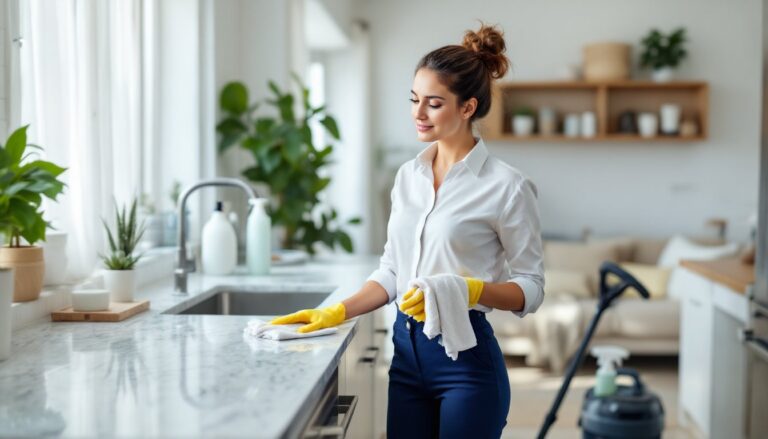
Housekeeping cleaning doesn’t have to feel like a full-time job. Most homeowners get stuck because they’re either tackling their entire house at once or skipping routines altogether, both lead to exhaustion and a perpetually messy home. The real secret? Break cleaning into manageable daily habits, room-by-room schedules, and strategic deep cleaning sessions. This guide walks you through a practical housekeeping system that fits real life: busy work schedules, kids, pets, and everything else competing for your time. You’ll learn how to maintain a clean home without burning out, using supplies you probably already have and strategies that work even on your hardest days.
Table of Contents
ToggleKey Takeaways
- Housekeeping cleaning becomes manageable when you break it into daily 15–20 minute habits and room-by-room schedules instead of tackling your entire house at once.
- Implement a consistent room-by-room cleaning routine: daily kitchen and bathroom maintenance, weekly deep cleaning of high-traffic areas, and monthly attention to appliances and storage spaces.
- You only need six multipurpose essential products—all-purpose cleaner, disinfectant, glass cleaner, microfiber cloths, a vacuum, and a mop—to maintain a professionally clean home without overspending.
- Daily housekeeping habits like making beds, wiping counters after meals, and putting items back after use prevent clutter and large weekend cleaning marathons.
- Deep cleaning should follow a top-to-bottom strategy in high-traffic areas (kitchens, bathrooms, entryways), focusing on often-missed spots like baseboards, appliance coils, and high-touch surfaces where bacteria spreads.
- Long-term cleanliness depends on consistency and systems—assign cleaning tasks to household members, store supplies where they’re used, and review problem areas weekly to adapt your routine.
Create a Room-by-Room Cleaning Schedule
A room-by-room cleaning schedule removes the guesswork and prevents you from cleaning the same space twice while another falls into chaos. The key is matching your routine to how much traffic and mess each room actually generates.
Kitchen is ground zero for daily maintenance. Wipe counters and the sink daily, these two tasks take 5 minutes and prevent grime from setting. Sweep or vacuum the floor daily since crumbs attract pests. Mop the floors weekly, clean appliances weekly, and tackle the fridge, oven, and cabinet interiors monthly. A clean kitchen is half the battle of a clean home.
Bathrooms need consistent attention because moisture breeds mold and mildew. Clean the sink, toilet, and counters every 2–3 days at minimum. Scrub the shower or tub weekly (soap scum builds fast), mop the floor weekly, and disinfect high-touch surfaces like faucets and doorknobs weekly. This prevents the grimy feeling that makes a whole home feel dirty.
Bedrooms are simpler: make beds daily (takes 2 minutes and feels good), dust weekly, vacuum or sweep weekly, and change linens weekly or every 2 weeks depending on your household. Fresh sheets matter more for cleanliness than most people realize.
Living rooms and common areas follow a similar rhythm, tidy daily, dust and vacuum weekly, mop hard floors weekly as needed. The living room sets the tone for how your guests perceive your entire home.
Entryways get overlooked but they’re the first impression. Remove clutter daily, sweep or vacuum weekly (dirt tracked in from outside multiplies fast), and clean door handles and light switches weekly to reduce germs spreading through the house.
Essential Cleaning Supplies Every Household Needs
You don’t need a cabinet overflowing with specialty products to keep a clean home. Stick to the basics that actually work.
Core supplies include microfiber cloths (they trap dirt better than cotton), a vacuum cleaner rated for your floor type, a broom and dustpan, a mop and bucket, all-purpose cleaner, glass cleaner, disinfectant spray or wipes, toilet brush and toilet cleaner, scrub brushes and sponges, rubber gloves, trash bags, and paper towels or reusable cleaning cloths.
When building your essential house cleaning kit, focus on versatility. An all-purpose cleaner handles counters, floors, and walls. A single disinfectant covers high-touch surfaces. Glass cleaner works on windows and mirrors. Avoid buying ten different products for ten different tasks, it clutters your storage and your budget.
Storage matters more than you’d think. Keep bathroom supplies under the sink, kitchen cleaners in a low cabinet, and a caddy with the basics for quick room-to-room work. When supplies are accessible, you’re more likely to use them. When they’re buried in a closet, cleaning becomes friction-filled and gets skipped.
Multipurpose products save money and storage space. A good disinfectant works on counters, doorknobs, light switches, and bathroom fixtures. An all-purpose cleaner handles most hard surfaces. You can accomplish a professional-level clean with six essential products, not sixty.
Quick Daily Habits That Keep Your Home Fresh
Daily habits prevent the buildup that forces weekend deep cleaning marathons. Spend 15–20 minutes daily on these tasks and you’ll be shocked at the difference.
Make beds each morning, it takes 2 minutes and makes the bedroom look pulled together immediately. Put items back after use instead of letting them pile up throughout the day. This one habit stops clutter in its tracks. Wipe kitchen counters after meals before food dries and crumbs scatter. Wash dishes or load the dishwasher daily so you’re not staring at a sink full the next morning.
Take out trash before it overflows: overflowing trash invites pests and looks terrible. Run a quick sweep or vacuum in high-use areas like the kitchen and entryway. Wipe bathroom sinks and faucets regularly to prevent water spots and soap scum buildup. Open windows when weather permits, fresh air kills odors better than any spray.
These habits take less time than a coffee break but they make your home feel maintained rather than neglected. The magic is consistency, not intensity. Ten minutes daily beats a frantic four-hour Saturday session.
Deep Cleaning Strategy for High-Traffic Areas
Deep cleaning is different from daily maintenance, it targets the surfaces and spaces that daily cleaning misses. Focus your effort where it matters most: kitchens, bathrooms, entryways, hallways, and living rooms.
Start by decluttering before you clean anything. Moving items around just spreads dust. Remove items from surfaces, shelves, and floors so you can actually clean underneath and behind.
Clean from top to bottom to avoid re-cleaning surfaces. Dust falls down, so if you dust shelves before sweeping the floor, you’re sweeping twice. Vacuum or sweep corners, under furniture, and along baseboards where dust accumulates like nothing else. Scrub grout in bathrooms and kitchens (a old toothbrush works great). Clean inside appliances, refrigerator coils, oven interiors, microwave vents, where grease and dust hide.
Disinfect high-touch points such as doorknobs, light switches, remote controls, and cabinet handles. These spread germs more than surfaces people think about. Repeat deep cleaning weekly in bathrooms and kitchens, monthly in other areas, or as needed based on your household’s mess level. A deep cleaning strategy adapted to your home’s layout and traffic patterns saves time versus generic cleaning advice.
Research from Good Housekeeping’s expert checklists shows that room-by-room deep cleaning prevents overwhelm and ensures no area gets ignored.
Time-Saving Hacks for Busy Homeowners
When time is tight, efficiency matters. These hacks compress hours of cleaning into manageable chunks.
Clean as you go instead of letting messes accumulate. Wipe the stovetop while dinner cools. Sweep crumbs while the coffee brews. These micro-cleanings add up and prevent one overwhelming mess.
Use a caddy to carry supplies room to room instead of making multiple trips. Set a 10- to 15-minute timer for quick resets, this prevents scope creep and keeps you focused. When the timer goes off, you’re done. Use multipurpose products to cut down on bottle clutter and decision fatigue.
Handle one room at a time instead of bouncing between spaces. You’ll see progress faster and stay motivated. Keep supplies stored where they’re used, bathroom cleaning supplies in the bathroom cabinet, kitchen supplies under the kitchen sink. This removes barriers to quick cleaning.
Assign simple daily tasks to each household member if you have family living with you. One person takes kitchen counters, another handles bathroom sinks, someone else does a quick living room tidy. Shared responsibility means the load never gets crushing. Most busy homeowners find that 10–15 minutes of household cleaning per person per day keeps things under control.
Maintaining Clean Spaces Long-Term
Cleaning isn’t a one-time event, it’s a rhythm you establish and protect. Housekeeping becomes manageable when you approach it systematically.
Use a consistent cleaning schedule so your brain doesn’t have to decide what to clean each day. Monday is bathroom day, Wednesday is kitchen deep clean, Saturday is bedrooms. Your mind defaults to the routine, and tasks take less mental energy.
Declutter regularly because clutter multiplies cleaning time. Fewer items mean fewer surfaces to dust and clean around. Store items in designated places so you always know where things go. Clean spills immediately, five seconds now beats scrubbing a stain later. Replace or wash linens on a routine (weekly or every 2 weeks) to keep bedrooms fresh.
Review problem areas weekly. If one corner always gets grimy, you might need to wipe it more often or address ventilation. If dishes pile up, you might need a different system. Cleaning is feedback, it tells you where your routine isn’t working.
Keep high-touch and high-traffic surfaces on a regular disinfection schedule, especially in kitchens and bathrooms. Doorknobs, faucets, light switches, and remote controls harbor bacteria and viruses. A house cleaning services guide can also provide insight into professional standards for deep sanitation if you want seasonal professional help. Resources like The Spruce’s home guides offer additional seasonal cleaning strategies. Long-term cleanliness comes from systems, not heroic effort.
Conclusion
Housekeeping cleaning works best when you combine daily habits, scheduled room cleaning, periodic deep cleaning, and consistent organization. You don’t need expensive products, fancy systems, or hours of your weekend. You need a rhythm that fits your life and the discipline to show up for it. Start with the schedule that matches your home’s layout, gather the basic supplies, and commit to 15 minutes of daily maintenance. Within two weeks, you’ll notice the difference. Your home will feel managed rather than chaotic, and cleaning will stop feeling like a burden.