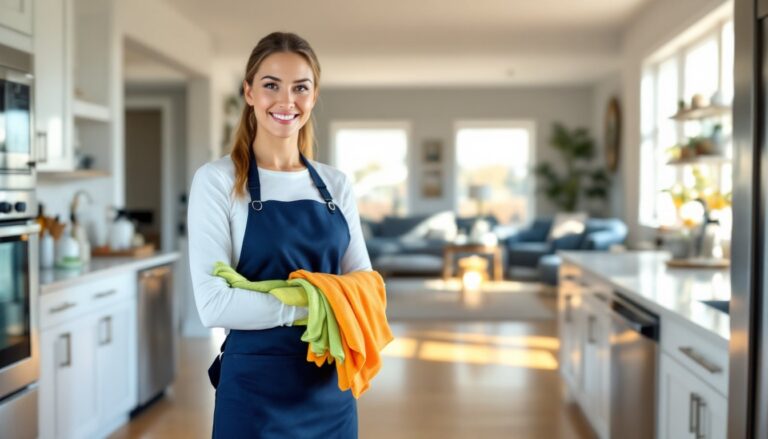
Most homeowners don’t give much thought to what they’re wearing while they clean, old sweats and a faded t-shirt seem fine. But if you’re serious about tackling household projects, maintaining your home’s appearance, or simply making your routine more efficient, dedicated cleaning apparel makes a real difference. House cleaning uniforms aren’t about looking pristine: they’re functional pieces designed to protect your everyday clothes, provide freedom of movement, and keep you comfortable during hours of scrubbing, organizing, and maintenance work. Whether you’re deep cleaning before guests arrive or managing a regular upkeep schedule, the right cleaning clothes can transform how you approach the job.
Table of Contents
ToggleKey Takeaways
- House cleaning uniforms protect your everyday wardrobe from stains, bleach spots, and chemical damage while keeping you organized and focused on the task at hand.
- Choose durable fabrics like 100% cotton, denim, or twill with double-stitched seams and avoid stretchy synthetics that retain odors and break down quickly.
- A proper fit with adjustable waistbands, pockets, and short sleeves is essential—choose a slightly loose fit to allow free movement while bending, kneeling, and reaching.
- Wash cleaning clothes separately in hot water with extra rinses, hang-dry when possible, and mend small tears immediately to extend the life of your uniform.
- Designate a specific storage spot for your house cleaning uniforms near your supply closet to create a visual cue that motivates you to tackle projects efficiently.
- Worn-out cleaning apparel can be repurposed into rags, shop towels, or craft materials, making your investment even more sustainable.
What Are House Cleaning Uniforms and Why You Should Consider Them
House cleaning uniforms are dedicated work clothes, typically aprons, coveralls, pants, and shirts, designed specifically for household maintenance tasks. Unlike regular clothes, they’re built to handle wear and tear from cleaning chemicals, abrasive scrubbing, and frequent laundering without losing their integrity.
The practical benefits are straightforward. A dedicated cleaning outfit protects your nice clothes from stains, bleach spots, and general grime. You won’t have to worry about ruining a favorite pair of jeans or accidentally transferring chemical residue to the clothes you wear in public. Beyond protection, wearing a uniform signals to your brain that it’s “work time”, this mental shift helps you stay focused and organized. Many DIY enthusiasts find they’re more efficient when they’ve changed into dedicated work clothes rather than throwing on whatever’s at hand.
There’s also a practical storage angle. If you keep a cleaning uniform hanging near your supply closet or laundry area, you’re more likely to grab it and tackle a quick project. The outfit becomes a visual cue that says “I’m ready to work.” Parents managing busy households often find that a dedicated uniform helps them contain mess and model responsibility to their kids. And for anyone who hosts guests or runs a home-based business, keeping a clean, intact wardrobe separate from your work clothes is simply smart management.
Finally, certain cleaning uniforms offer utility features, pockets for storing supplies, loops for hanging tools, or reinforced knees if you’ll be scrubbing floors or gardening. These features aren’t essential, but they can save steps and frustration throughout your work day. At a basic level, a house cleaning uniform is an investment in both practicality and mindset.
Essential Features to Look For in Cleaning Apparel
Durability and Fabric Quality
When shopping for cleaning clothes, fabric choice matters far more than aesthetics. Look for 100% cotton or cotton-blend materials in a mid-weight or heavier knit, lightweight fabrics tear easily when you’re reaching under furniture or scrubbing on your knees. Denim, twill, and heavy cotton canvas hold up well to repeated washing and contact with cleaning products.
Check the seam construction before buying. Double-stitched or reinforced seams at stress points (armpits, inseams, pocket corners) will outlast single-stitched garments by years. Avoid stretchy synthetics like polyester mixes if you plan to wear the uniform regularly: they retain odors and chemical smells even after washing, and elastic breaks down faster under the strain of bending and crouching.
Fabric weight matters too. A 14-16 oz. denim or 12 oz. twill is standard for work pants and will handle frequent laundering. Lighter options may feel more comfortable in summer but sacrifice longevity. If you’re working with harsh chemicals, ensure the material isn’t prone to pilling or fading, read product reviews or care labels carefully. Products tested by organizations like Good Housekeeping often provide reliable guidance on durability for home products and apparel.
Comfort and Fit
No matter how tough the fabric, if the uniform doesn’t fit well, you won’t wear it. Choose pants and shirts with enough room to move freely, you need to bend, kneel, reach overhead, and crouch without restriction. A slightly loose fit is better than a snug one: you’ll regret tight waistbands after a few hours of work.
Look for adjustable waistbands (drawstrings, elastic, or tool belts) rather than fixed sizing. Comfort varies by brand and season, and adjustability saves you from having to buy multiple sizes. Sleeves should be short enough to stay out of water and cleaning solutions but long enough to protect your arms. Three-quarter or rolled-sleeve options work well for cleaning tasks.
Pockets are non-negotiable for most DIYers. You’ll want space for a phone, measuring tape, screwdriver, or list of tasks. Aprons with large pockets or reinforced cargo pants keep your essentials within arm’s reach and save time running back to grab supplies. Reinforced knees are valuable if you’ll be kneeling on hard floors or tile: some pants have removable knee padding, which adds flexibility. Check product reviews or consult Martha Stewart for home organization tips that often include practical advice on workwear and storage solutions.
Best Practices for Wearing and Maintaining Your Cleaning Clothes
Once you’ve invested in decent cleaning apparel, treat it like any work uniform. Change into it before you start, and change out immediately after, don’t slouch around the house in clothes saturated with cleaning fumes or grime. This habit keeps your regular wardrobe cleaner and lets the work clothes air out properly before washing.
Store your cleaning outfit in a designated spot, ideally near your supply closet or laundry area. A wall hook or shelf keeps everything visible and accessible. When you see those clothes ready to go, you’re more likely to tackle that “someday” project. If you’re managing a household with kids or a partner who also tackles chores, having multiple uniforms means everyone has clean work clothes available, assign each person their own set if possible.
Wash cleaning clothes separately from regular laundry. Cleaning products, dirt, and chemical residue can transfer to other garments, and work clothes often need more aggressive washing. Use hot water (if the fabric allows) and don’t shy away from extra rinses to remove detergent buildup. Avoid mixing them with delicate items: stains from cleaning work won’t affect durability but may spread. Hang-dry when possible to extend fabric life, or use low heat if you need to speed things up.
Inspect seams and fabric regularly. Small tears or loose threads are easy to mend with a needle and thread before they become major problems. A simple whip stitch takes five minutes and extends the life of your uniform significantly. If you notice odors persisting after washing, soak the clothes in white vinegar and water before a full wash cycle. This removes chemical smells and mineral deposits that regular detergent can’t touch.
Finally, accept that work clothes will show wear. Stains, fading, and small tears are signs your uniform is doing its job, protecting your good clothes. When a piece is truly worn out, consider how the fabric might be repurposed. Old cotton cleaning shirts become excellent rags, and worn-out aprons can be cut into smaller shop towels or donated to makers and craft projects. Resources like The Spruce include tips on upcycling home textiles responsibly.
Conclusion
A house cleaning uniform is a simple but effective tool that separates work from everyday life. It protects your wardrobe, signals focus, and gives you quick access to everything you need. By prioritizing durability, fit, and practical features, and caring for your work clothes properly, you’ll build a set of uniforms that last years and make your cleaning routine feel more organized and efficient. The investment pays for itself in saved clothing and improved productivity.